Clawdbot, the viral open-source AI assistant that’s been taking the internet by storm, is quickly becoming one of the most popular AI projects of 2026. But what’s behind its popularity, and should you give it a try? In this article, we’ll break down everything you need to know.
What Is Clawdbot?
Clawdbot is an open-source, self-hosted AI assistant developed by AI developer Peter Steinberger. Unlike other cloud-based AI assistants, it runs on your own machine, whether that’s a computer, old server, or cloud VPS, and integrates with apps you already use.
Key Features:
- Persistent memory — remembers conversations & preferences.
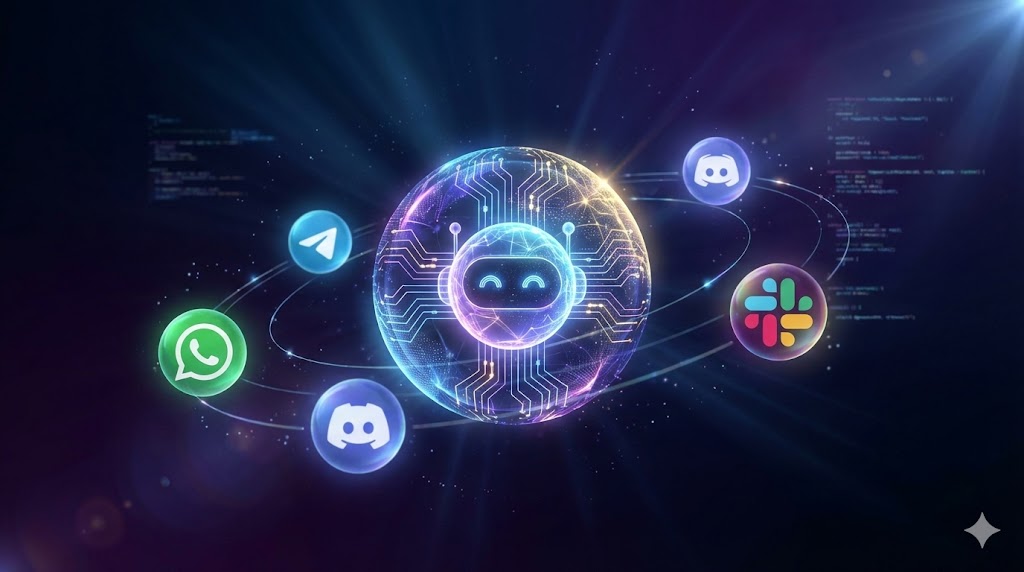
- Works on messaging apps like WhatsApp, Telegram, Discord & Slack.
- Executes real tasks: emails, calendars, smart home control.
- Runs on your own machine, not someone else’s server
In short, it’s like having your own personal digital assistant that performs real-world tasks, not just talks.
Why It’s Going Viral
Clawdbot has been going viral because it offers a solution to what many people have been wanting for years: an AI assistant that not only answers questions but actually does real work in the background. Some YouTubers have compared it to having an AI assistant that works 24/7, never requiring a browser window to be open.
What people have been sharing:
- Videos of Clawdbot doing real work in the background for Telegram and WhatsApp.
- Screenshots of it managing long lists of tasks for them.
- Testimonials of it being their “ultimate digital assistant.”
How It Work (Simplified)?
Here’s a high-level view of how Clawdbot operates:
- Run Locally: You install the assistant on your computer or VPS.
- Integrate Messaging Platforms: You can connect it to WhatsApp, Telegram, Slack, or Discord.
- Grant Access: It can read messages and perform commands (such as sending emails or creating calendar events).
- Persistent Memory: It has long-term memory, unlike traditional chatbots.
The fact that it runs locally, instead of being a cloud-based solution, gives users more control and privacy, but it also comes with its own set of responsibilities (more on that next).
The Dark Side of Clawdbot
However, according to experts, having an autonomous AI assistant with deep system access is not entirely secure:
- Risks of Root/System-Level Access: It could perform malicious actions if improperly configured.
- Vulnerability to Sensitive Data Exposure: Passwords or APIs might be compromised if not adequately protected.
- Not Suitable for Beginners: It demands familiarity with Docker, Node.js, or VPS systems for proper installation.
Thus, although Clawdbot is very capable, it is not yet ready for use by non-technical users.
Who Should (and Shouldn’t) Use Clawdbot
You Should Use Clawdbot If:
- You’re a developer who’s comfortable with the command line and system administration
- You enjoy working with complex systems and debugging problems
- You want full control over your data and don’t mind self-hosting
- You have legitimate uses for Al memory and proactive support
- You’re willing to put in the time to learn and maintain the system
I You Should Skip It If:
- You just want a simple Al chatbot for answering questions
- You don’t have the technical knowledge or interest in system administration
- You prefer a cloud-based solution with professional support
- You’re not comfortable with the security implications of root access
- You don’t want to handle your own infrastructure updates
Final Conclusion
Clawdbot is a thrilling new development in personal AI, where the AI assistant is now fully autonomous, proactive, and integrated with your daily tools. It’s no longer just “ask a question and get an answer” – it’s “do what I need, when I need it.”
But as the saying goes, “with great power comes great responsibility.” If you are a developer or tech enthusiast who loves to tinker around, this is definitely a project worth investigating. But if you are simply looking for a safe and easy AI experience, traditional AI assistants might still be the better option.